An Architect’s Guide to Smart Home Integration
In Jackson’s luxury residential market, architects are increasingly designing homes around clean sightlines, natural materials, quiet spaces, and restrained detailing. Unfortunately, technology is often introduced too late — resulting in visible compromises like ceiling clutter, oversized shade pockets, exposed access panels, or poorly placed devices.
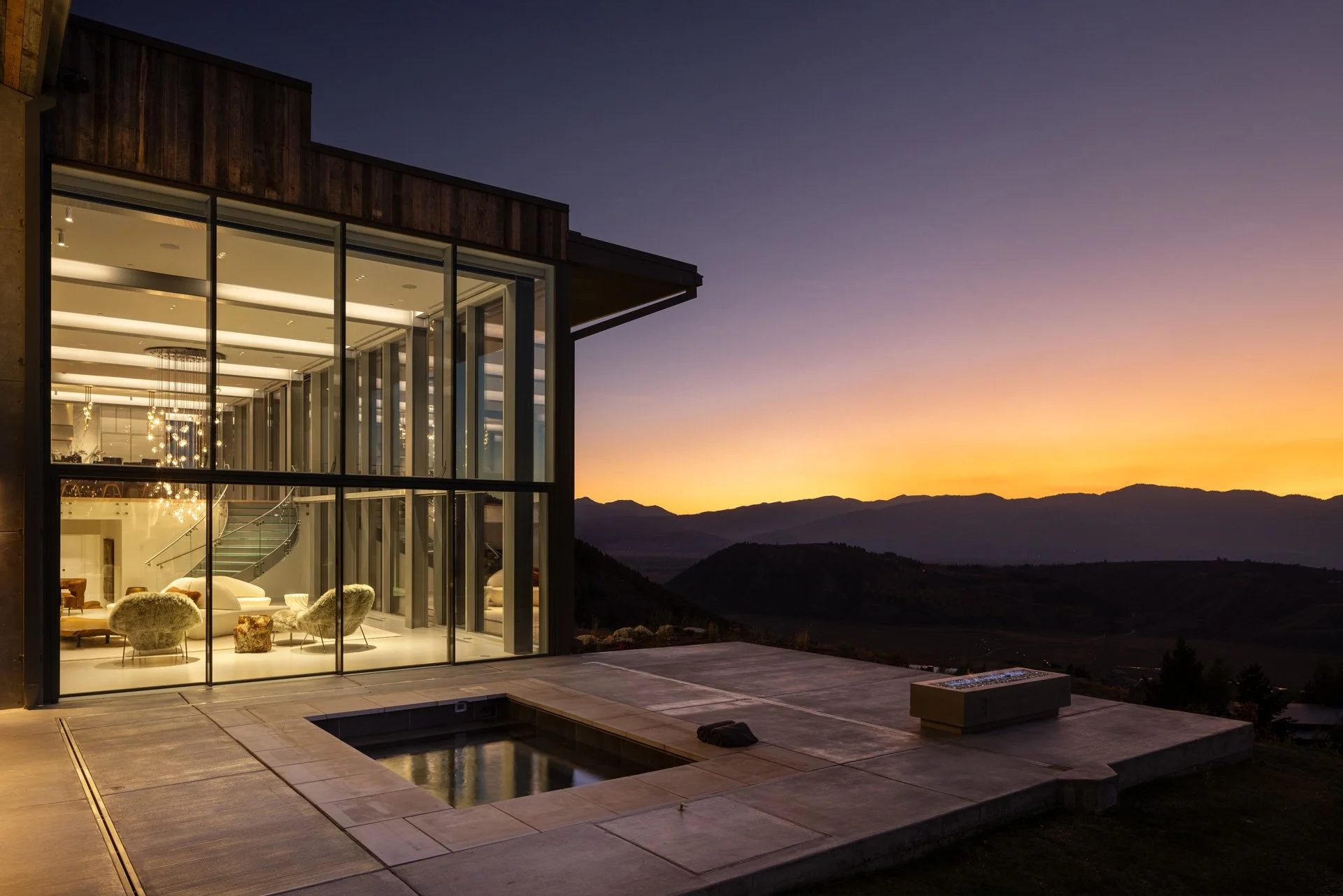
The integrators’ role is to prevent that from happening.
Integrators should coordinate early with the architect, interior designer, lighting designer, and builder to integrate:
Lighting controls
Shading systems
Concealed audio
Wireless infrastructure
And equipment planning directly into the architectural framework of the home.
That means:
Aligning fixture layouts with ceiling geometry
Concealing wireless access points
Minimizing wall clutter
Coordinating recessed shade pockets,
Engineering infrastructure around the architecture rather than forcing the architecture around the technology
An integrator should approach integration with the same level of precision expected from millwork, lighting, or finish detailing. The goal is not to showcase technology but to preserve the integrity of the design vision.
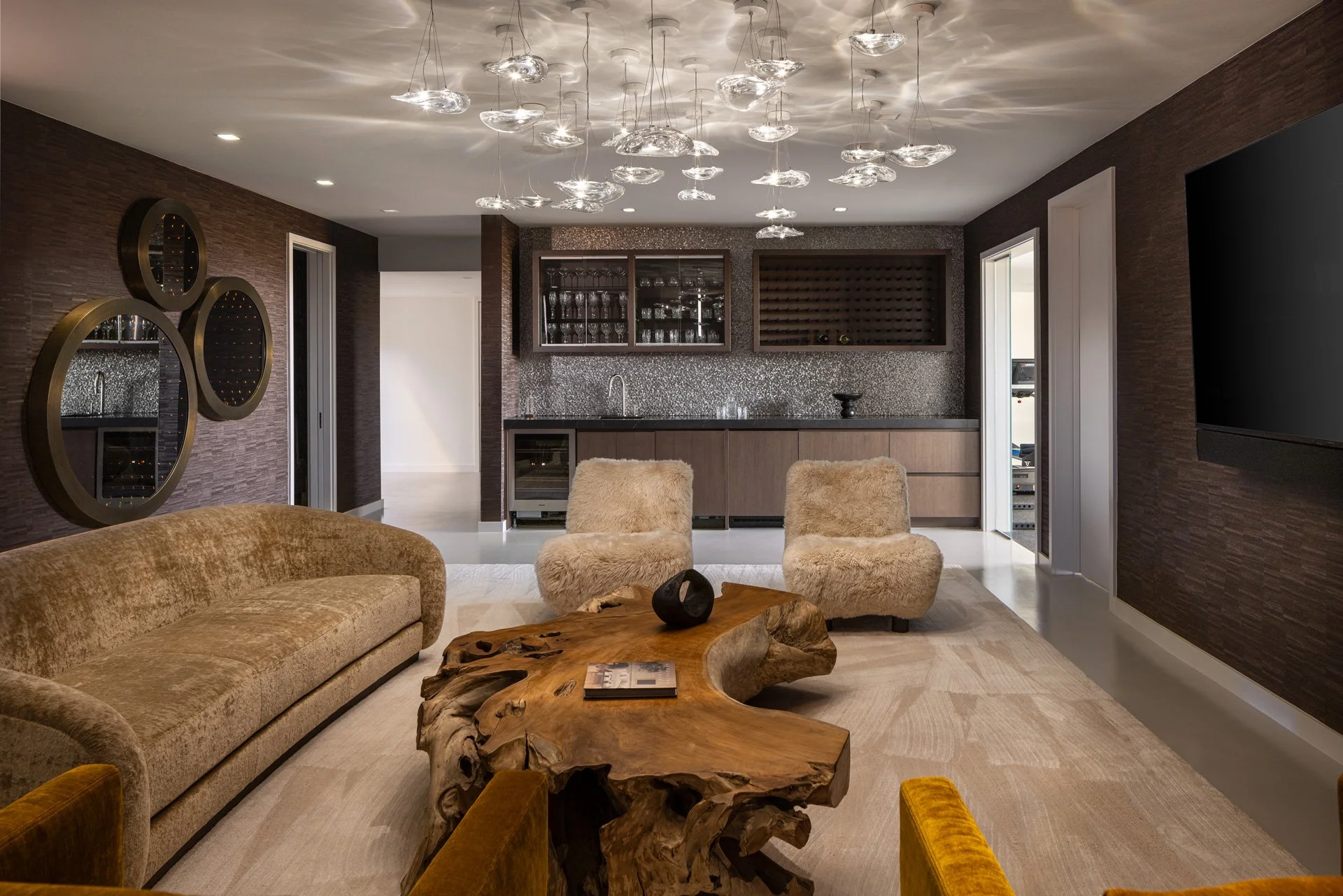
Can the lighting actually perform the way it’s being presented?
This is one of the most important questions in modern residential design.
At high-level integration firms, they specialize in the technical execution behind architectural lighting systems. That includes:
Fixture-to-driver compatibility
Dimming calibration
Centralized lighting control architecture
Color consistency
Scene programming
Commissioning refinement
Architects and designers often present lighting conceptually:
Soft evening warmth
Calm transitions
Visual comfort
Daylight-responsive spaces
Circadian-inspired environments
Our responsibility is making those ideas perform reliably in the real world.
The emotional quality of a space is deeply tied to how the lighting behaves. When properly engineered and commissioned, lighting becomes part of the architecture itself — quiet, natural, and intuitive.
Who is responsible when something doesn’t work?
Integrators have the opportunity to be technical stewards of the homeowner experience, rather than simply installers of equipment.
That means they assume responsibility for:
System coordination
Interoperability
Commissioning
User experience
Long-term performance
An integrator should work closely with all project stakeholders throughout the construction process to reduce friction and solve issues proactively before they impact the architecture or homeowner experience.
Equally important, systems need to be designed for long-term reliability and simplicity. Luxury homeowners do not want to manage complicated technology. They want environments that feel effortless.
That requires:
Stable infrastructure
Intuitive interfaces
Thoughtful programming
Remote monitoring
And ongoing support after move-in
This creates confidence that the technology layer will support (and not undermine) the overall success of the project.