How thoughtful technology integration preserves craftsmanship, materiality, and architectural intent in Jackson Hole.
When Every Detail Matters
In Jackson Hole, exceptional architecture is defined by its relationship with materials, light, and landscape. Expansive glazing frames the Tetons, exposed timber and steel establish rhythm, and carefully detailed stonework creates spaces where every element serves a purpose. Within these environments, even the smallest addition can have a significant visual impact.
Wall controls, speaker grilles, and motorized shades can interrupt carefully considered architectural details if introduced too late. The challenge isn't whether sophisticated technology belongs in these homes, but how to integrate it without compromising their character. The most successful technology doesn't ask architecture to accommodate it. It respects the architecture from the beginning.
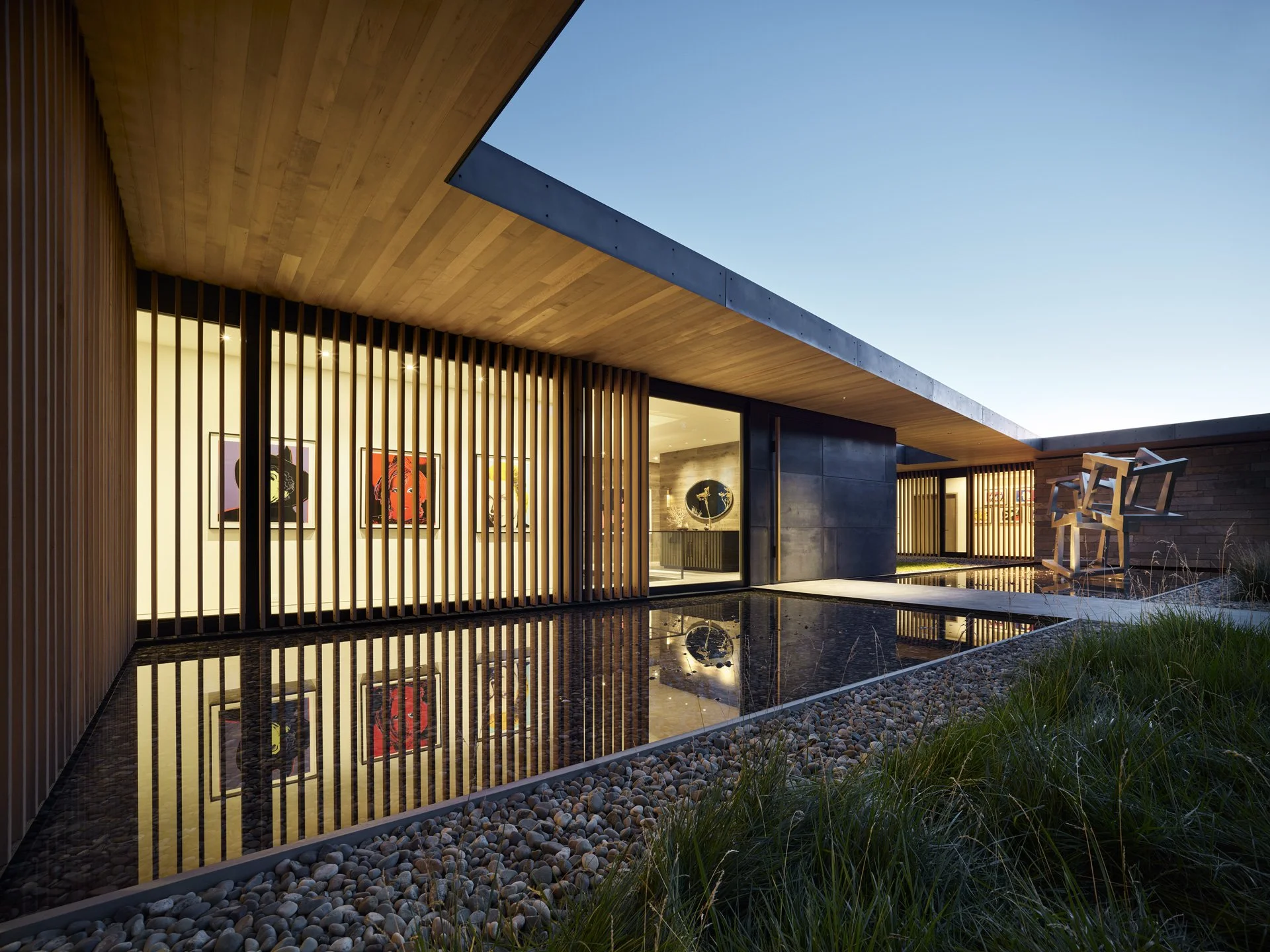
Photo by Matthew Millman
1. Designing Technology Around Architecture
In homes defined by exposed structure, natural stone, custom millwork, and expansive glazing, technology requires more than conventional installation. A wall control may disrupt a stone surface, while recessed speakers or wiring pathways can conflict with exposed timber framing. These challenges make early coordination essential.
By collaborating during design development, technology integrators can work alongside architects and builders to identify equipment locations, concealed pathways, and appropriate solutions before construction limits the options. Not every component needs to disappear completely; sometimes a carefully detailed visible element better balances aesthetics, performance, and accessibility.
The objective is to ensure that technology feels like a natural part of the architectural composition rather than an addition to it.
2. Preserving Views, Materials, and Light
Expansive windows connect Jackson Hole residences to the surrounding landscape, making automated shading an important consideration. Motorized shades can manage daylight, glare, and privacy without compromising mountain views, provided their mounting hardware, wiring, and service access are incorporated into the window design early.
Lighting requires similar attention. Carefully placed illumination can reveal the texture of stone, warmth of timber, and depth of architectural spaces. Thoughtfully designed lighting controls reduce unnecessary wall clutter while allowing different scenes to respond to changing daylight and homeowner preferences.
Together, lighting and shading should enhance the experience of a home without drawing attention to the systems behind them. The architecture and landscape remain the focus, while technology quietly adapts to the needs of those living within it.
3. Craftsmanship Beyond the Visible
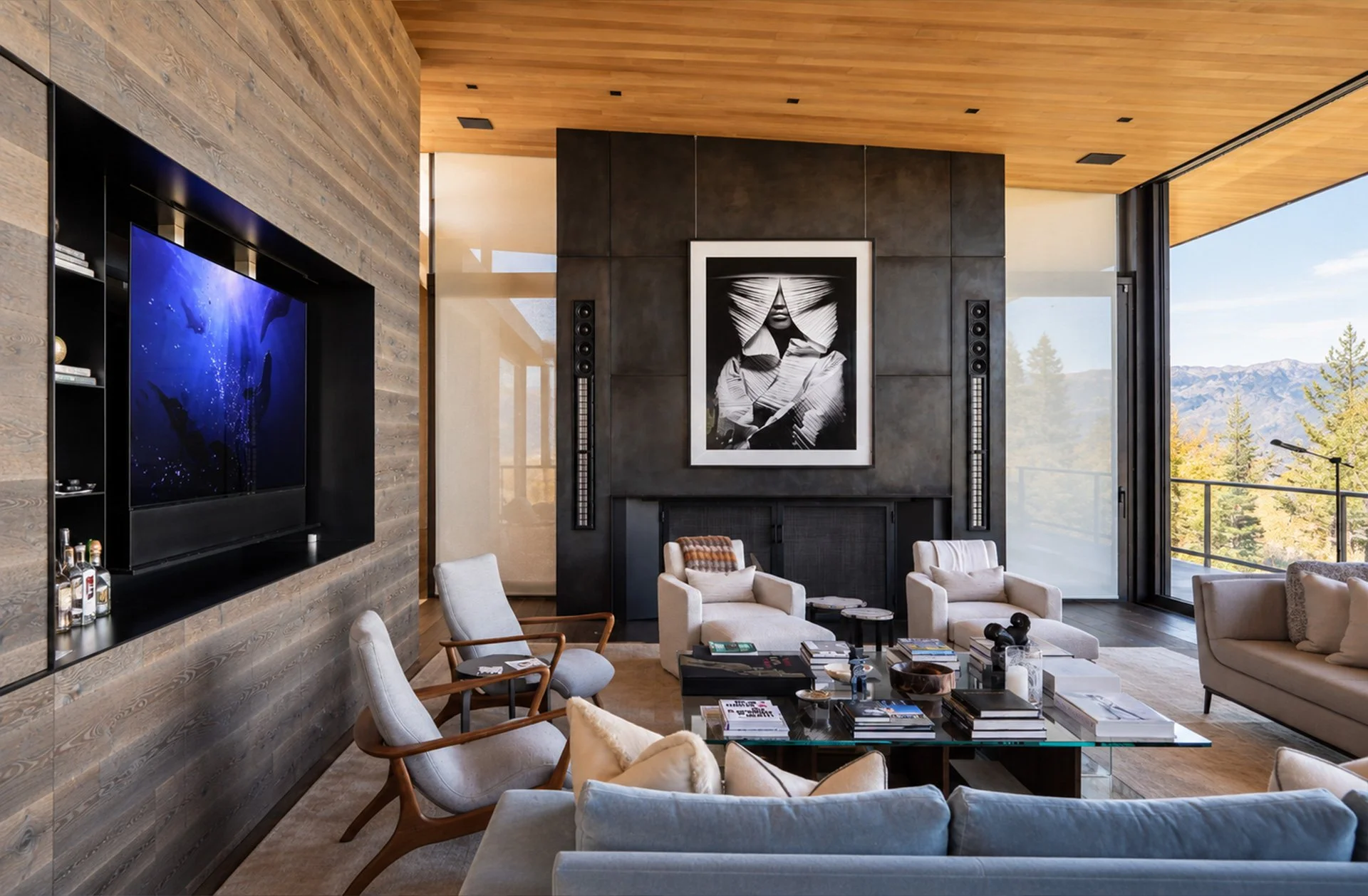
Exceptional craftsmanship extends beyond finished surfaces. Concealed wiring, precisely positioned speakers, integrated equipment, and coordinated control systems require the same attention to detail as custom millwork or carefully aligned stone.
These systems often involve multiple trades working within limited spaces. Early collaboration helps resolve potential conflicts, protect architectural finishes, and establish the infrastructure needed for reliable performance. Equally important is ensuring that concealed equipment remains accessible for maintenance, ventilation, and future upgrades.
True integration considers the entire life of the home, not simply how it looks when construction is complete. Technology should remain unobtrusive without becoming difficult to service or maintain.
4. Creating an Effortless Living Experience
The ultimate measure of successful technology integration isn't what homeowners see, but how naturally their homes respond to everyday life. Lighting should feel intuitive, shades should operate predictably, and audio, video, and environmental controls should be simple to use.
Achieving this requires careful commissioning, where systems are configured and refined within the completed environment. Lighting scenes are adjusted to complement materials and furnishings, shading responds to daylight conditions, and control interfaces are organized around homeowner routines rather than technical complexity.
Whether integrating a single room or an entire residence, technology should enhance the experience without demanding attention.
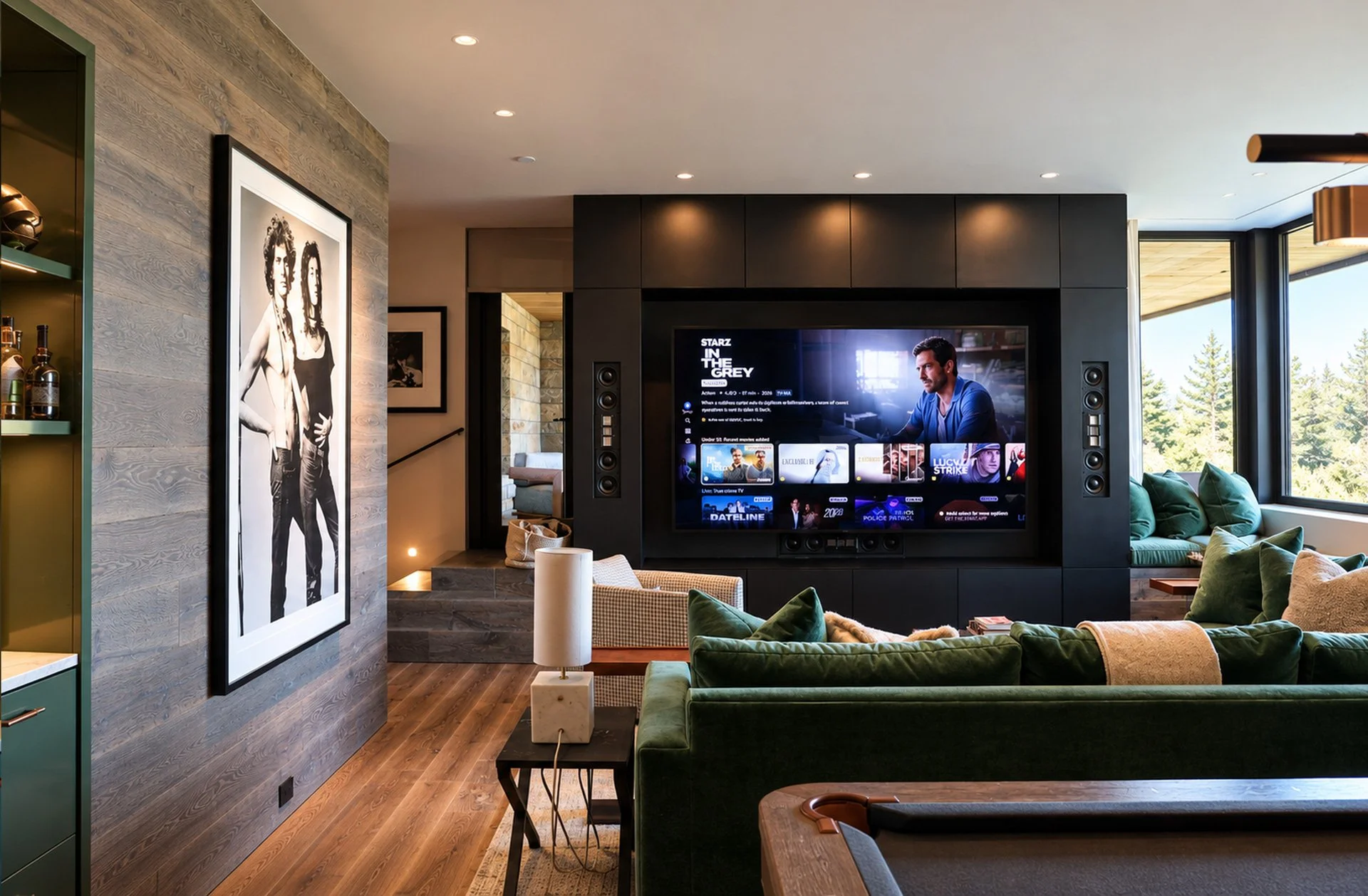
Architecture First. Technology in Service of Design.
The most distinctive homes in Jackson Hole reflect deliberate choices in materials, structure, light, and their relationship with the landscape. Technology should strengthen these qualities, not compete with them.
At Premiere SAV, we collaborate with architects, interior designers, and builders early in the design process to integrate sophisticated technology while respecting the craftsmanship and vision behind every residence. Our goal is to create environments where technology, architecture, and everyday living work together naturally.
Nothing should interrupt the architecture—not the equipment, not the installation, and not the experience of living within it.